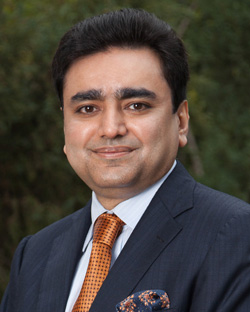
Shravan Gupta Vision for Modern Real Estate in India
India’s real estate sector is undergoing one of the most significant transformations in its history. From smart city initiatives to sustainable urban communities, the demand for forward-thinking leadership has never been greater. At the center of this shift stands a generation of real estate professionals Sharvan gupta understand that building India’s future requires more than just constructing buildings — it requires a comprehensive vision.
Shravan Gupta’s vision for modern real estate in India addresses exactly this need. It combines strategic infrastructure thinking, sustainable development principles, and a deep understanding of what modern homebuyers and investors truly want.
Who is Shravan Gupta?
Shravan Gupta is a prominent figure in India’s real estate and infrastructure landscape, widely recognized for his association with MGF Group — one of India’s established names in commercial and residential property development. With a background rooted in large-scale urban projects, Shravan Gupta has consistently advocated for integrated development models that go beyond conventional construction.
His leadership approach is defined by three core principles: quality over quantity, long-term thinking over short-term gains, and community-first planning over isolated developments. These principles have shaped how industry observers and professionals understand his perspective on Indian real estate.
Shravan Gupta has been part of projects that touched commercial infrastructure, premium residential communities, and mixed-use developments — giving him a broad perspective on what truly drives sustainable urban growth in India.
Understanding Shravan Gupta Vision for Modern Real Estate in India
The Shravan Gupta vision for modern real estate in India is not confined to constructing luxury apartments or commercial towers. It is rooted in a development philosophy that prioritizes livability, environmental responsibility, and economic value creation over time.
Key aspects of this vision include:
- Long-term value creation — developing assets that appreciate meaningfully and serve communities for decades
- Quality-driven construction — ensuring that materials, planning, and execution meet international benchmarks
- Sustainable growth strategies — integrating green spaces, energy-efficient systems, and responsible land use
- Future-oriented planning — designing for the urban needs of tomorrow, not just today’s market demand
This philosophy aligns closely with what modern homebuyers, NRI investors, and institutional investors are actively seeking in India’s property market.
Key Elements of Modern Real Estate Development
Modern real estate in India, as understood through the lens of Shravan Gupta‘s perspective, rests on several foundational elements:
Smart Infrastructure Today’s urban developments must integrate digital infrastructure — from high-speed connectivity to smart energy grids — as a baseline requirement, not a premium feature.
Sustainable Communities Green-certified buildings, rainwater harvesting, solar energy integration, and tree-lined urban corridors are no longer optional. They are defining factors for premium residential and commercial projects.
Mixed-Use Developments The most resilient real estate projects combine residential, retail, office, and recreational spaces. This reduces commute dependence, increases footfall, and creates vibrant, self-sustaining communities.
Technology Integration From AI-driven property management platforms to virtual tour technologies and blockchain-based transactions, technology is reshaping how properties are built, sold, and managed.
Customer-Centric Design Modern buyers expect spaces that serve their lifestyle — home offices, wellness areas, community hubs, and accessible public spaces are now standard expectations in premium developments.
How Shravan Gupta’s Vision Aligns with India’s Urban Future
India’s urban population is projected to cross 600 million by 2031, according to NITI Aayog estimates. This demographic reality demands an entirely new approach to city planning and property development.
Shravan Gupta’s vision for modern real estate in India is highly consistent with national priorities such as:
- Smart Cities Mission — the Government of India’s initiative to develop 100 smart cities with integrated digital and physical infrastructure
- RERA Compliance — building trust and transparency through regulatory frameworks that protect buyers
- Affordable yet aspirational housing — addressing both the mid-income segment and the premium market with quality-first thinking
- Infrastructure modernization — road connectivity, metro expansion, and satellite township development creating new real estate growth corridors
This alignment with national urban development goals makes Shravan Gupta’s perspective particularly relevant for investors, developers, and planners looking to participate in India’s next phase of growth.
Impact on Investors, Homebuyers, and Communities
For different stakeholders, the practical impact of this vision is significant:
For Homebuyers: A development philosophy focused on quality, sustainability, and community design means better living environments, lower long-term maintenance costs, and stronger neighborhood value.
For Real Estate Investors: Properties built on integrated, future-ready principles tend to hold value better and appreciate consistently over market cycles. Long-term value creation is central to investment-grade real estate thinking.
For NRI Investors: The focus on quality benchmarks, transparent development processes, and globally aligned design standards makes such projects particularly attractive to overseas Indian buyers seeking trusted investment opportunities.
For Urban Communities: When real estate development integrates green spaces, civic infrastructure, and mixed-use zones, entire neighborhoods transform — improving air quality, mobility, social connectivity, and overall quality of life.
Lessons from Shravan Gupta’s Real Estate Perspective
Real estate professionals, students of urban development, and aspiring investors can draw several practical lessons from this development philosophy:
- Think in decades, not quarters — the best real estate decisions are made with a 15–20 year horizon in mind
- Sustainability is not a cost — it is a competitive advantage — green-certified projects attract premium buyers and lower operating expenses
- Location paired with connectivity wins — proximity to metro corridors, expressways, and economic zones drives lasting value
- Community design beats isolated towers — integrated townships with amenities outperform standalone high-rises in long-term desirability
- Regulatory compliance builds credibility — RERA-compliant projects signal trustworthiness to buyers and institutional investors alike
These lessons reflect a broader shift in how serious real estate leaders are thinking about India’s urban future.
Conclusion
Shravan Gupta’s vision for modern real estate in India represents a mature, forward-looking approach to urban development at a time when India’s cities are at an inflection point. As smart city missions advance, infrastructure investment accelerates, and buyer expectations evolve, the principles embedded in this vision — sustainability, quality, integration, and long-term thinking — are becoming the new standard for serious real estate development.
For homebuyers seeking lasting value, investors targeting quality assets, and developers shaping India’s skyline, understanding this vision offers a practical framework for navigating India’s dynamic property market.
Explore the future of Indian real estate — research smarter, invest wisely, and build with a long-term perspective.
Frequently Asked Questions (FAQs)
1. What is Shravan Gupta’s vision for modern real estate in India? Shravan Gupta’s vision for modern real estate in India focuses on sustainable development, smart infrastructure, quality-driven construction, and integrated urban communities that create long-term value for homebuyers, investors, and cities.
2. How does modern real estate differ from traditional property development? Modern real estate prioritizes sustainability, technology integration, mixed-use planning, and community-centric design, while traditional development typically focused on standalone residential or commercial construction with fewer environmental and lifestyle considerations.
3. Why is sustainable development important in Indian real estate? Sustainable development reduces environmental impact, lowers long-term maintenance costs, meets growing buyer demand for green-certified properties, and aligns with India’s national goals around climate resilience and smart city growth.
4. How do smart cities influence property development in India? Smart city initiatives improve physical and digital infrastructure — from better roads and metro connectivity to digital governance and energy systems — directly increasing the investment attractiveness and livability of surrounding real estate zones.
5. What trends are shaping the future of real estate in India? Key trends include the rise of integrated townships, growing NRI investment, RERA-driven transparency, demand for green-certified homes, co-working and mixed-use development models, and technology-powered property transactions.